Garage Door Safety Inspection in Massachusetts
A garage door safety inspection in Massachusetts catches worn parts before they fail. Your garage door is the largest moving object in most homes, and its springs and cables carry heavy loads every day. Johnny Garage Door Service offers safety inspections in select towns across seven counties.
Why a garage door safety inspection matters
Most garage door parts wear slowly. A spring loses strength over thousands of cycles. A cable frays a strand at a time. Nothing seems wrong until something snaps.
An inspection looks at the door as one system. Small problems, like a loose bracket or a sensor out of line, are cheap to fix early and dangerous to ignore.
It also gives you a baseline. Knowing the age and condition of your springs, cables and opener makes it easier to plan repairs instead of being surprised by them.
The opener matters as much as the door. A safety inspection in Massachusetts homes often turns up openers with sensors out of line or reversal settings that have drifted over time.
What a technician checks
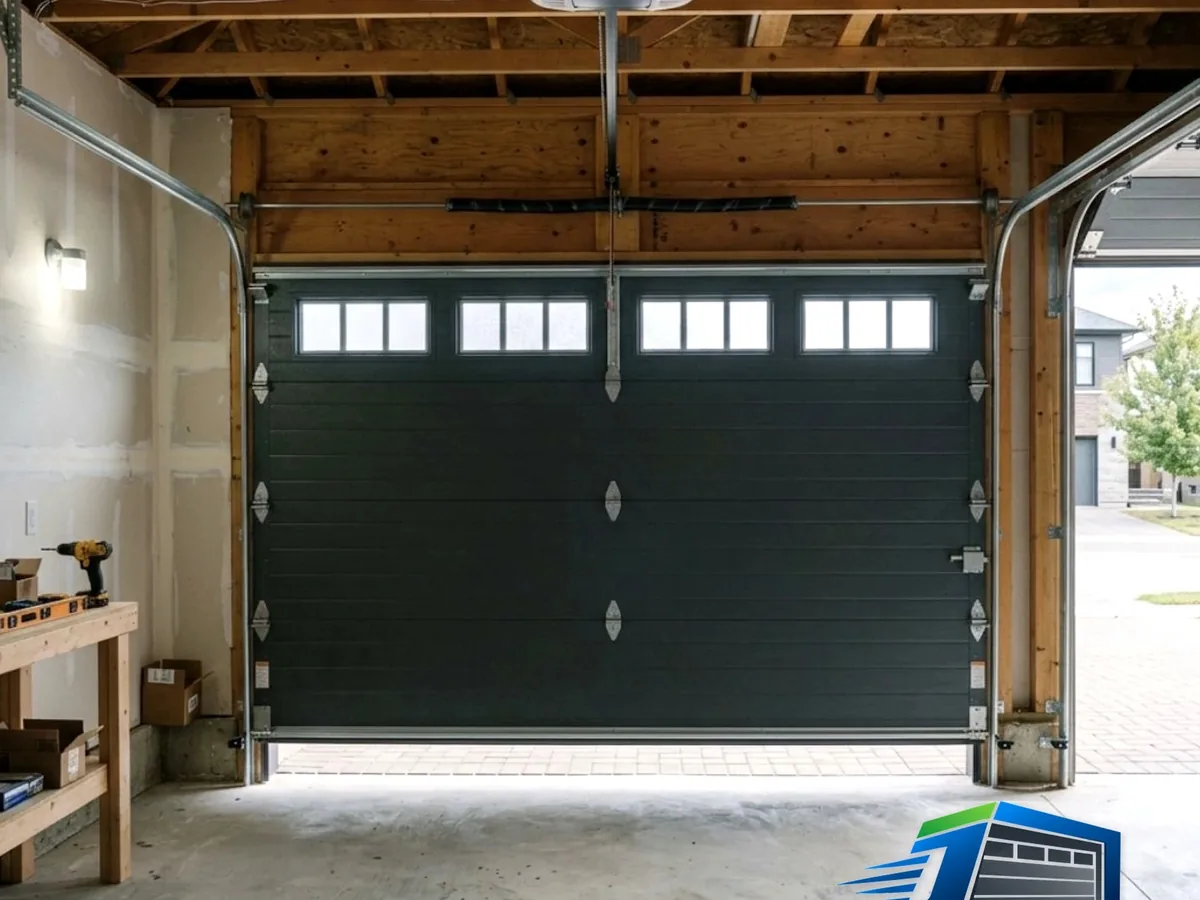
Springs are checked for rust, gaps between coils and signs of fatigue. Cables are checked for fraying and correct winding on the drums. Rollers, hinges and bearings are checked for wear and play.
Tracks are checked for bends, loose mounting and proper alignment. The door's balance is tested by hand. A balanced door should lift smoothly and stay in place partway open.
Hardware is checked too. Loose hinge screws, worn track brackets and cracked end caps can let the door shift. On older doors, these parts are often the first sign the door needs more attention.
Every finding is explained in plain words. You should leave knowing which parts are fine, which are worn, and which need work before the door is used much more.
Opener and sensor checks
The opener's safety reversal is tested two ways. The door should reverse when it meets an object on the floor and when the photo-eye beam is broken. Force and limit settings are checked so the door does not slam or press too hard.
Weather seals and the bottom of the door
The bottom seal and side seals keep out water, cold air and pests. In a Massachusetts winter, a cracked seal can freeze to the floor and strain the opener.
The bottom section is also where wood rots and steel rusts first. Spotting it early gives you more options.
Weatherstripping along the top and sides is part of the check. Gaps there let in drafts and blowing snow.
Cleaning and checking the photo eyes is part of this step as well, since snow, leaves and dirt collect near the floor and can block the beam.
What happens after the inspection
You get a plain account of what is in good shape, what is wearing and what needs work now. Not every finding needs action today.
If a part is unsafe, like a frayed cable or a broken spring, it should be repaired before the door is used again. Other items can be planned.
An inspection is also a good time to ask questions. If the door is noisy, slow or drafty, the cause can usually be explained while the door is being checked.
Many homeowners schedule an inspection before winter. Cold makes springs and lubricants work harder, and a door that is already worn is more likely to fail on a cold morning.
Keeping your own notes on what was found makes it easier to plan the next step and compare at the following check.
What you can safely check yourself
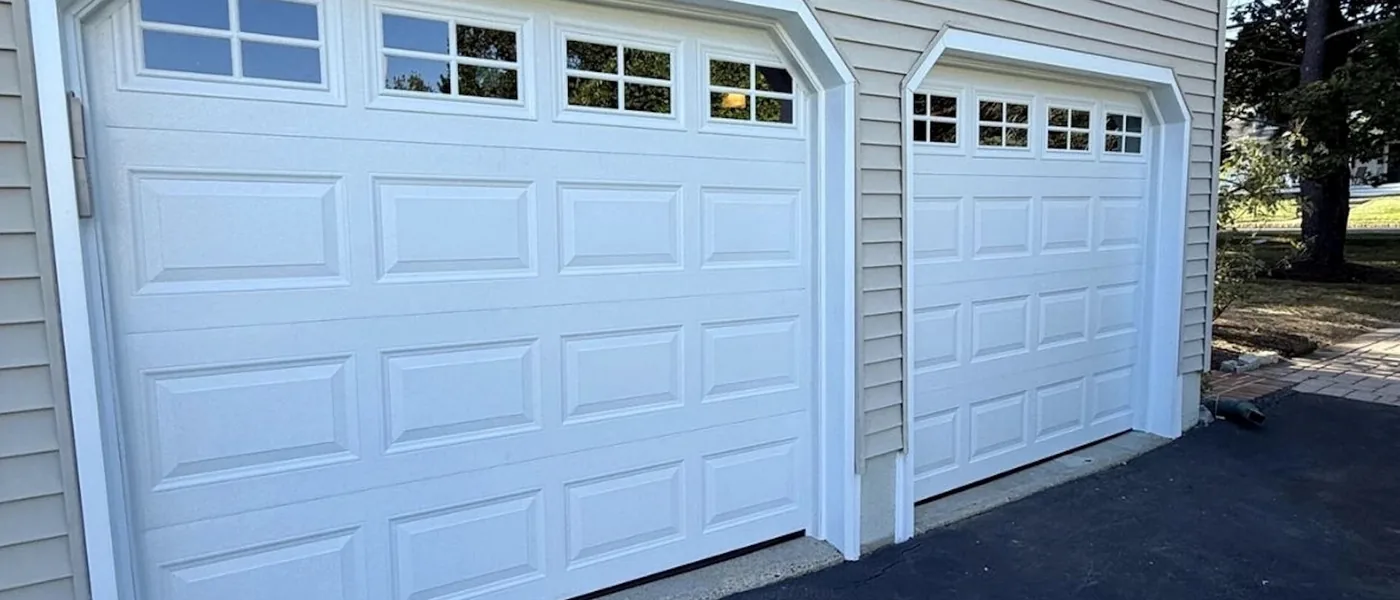
You can watch and listen. Look for frayed cables, rusty springs and rollers that wobble. Place a board on the floor under the door and close it to see whether it reverses.
Do not adjust springs, cables or bottom brackets yourself. They are under high tension. If anything looks wrong, keep clear and call. Johnny Garage Door Service is open 24/7, and repairs carry a 90-day parts and labor warranty.
When an inspection matters most
Book one if you just bought a home, if the door was hit by a car, or if you cannot remember when it was last serviced. An older door without photo-eye sensors is also worth a look.
If you have children who use the garage, an inspection makes extra sense. The reversal test and the sensors are what stop a closing door from pressing down on someone.
Garage Door Safety Inspection questions
How often should a garage door be inspected?
Once a year is a common rule for a home door. A door that cycles many times a day, or one that is older, may need checking more often.
Should both springs be replaced at the same time?
On a two-spring door, usually yes. Both springs have worked the same number of cycles, so the second one is often close to failing too.
How do I test my door's balance?
Pull the release cord with the door closed and lift it by hand about halfway. A balanced door stays put. If it drops or rises, have it checked and do not adjust the springs yourself.
Is a garage door safety inspection worth it on a new door?
A new door still benefits from a check after the first season. Springs settle and hardware can loosen as the door breaks in. A quick look keeps it balanced.