It depends on your door type
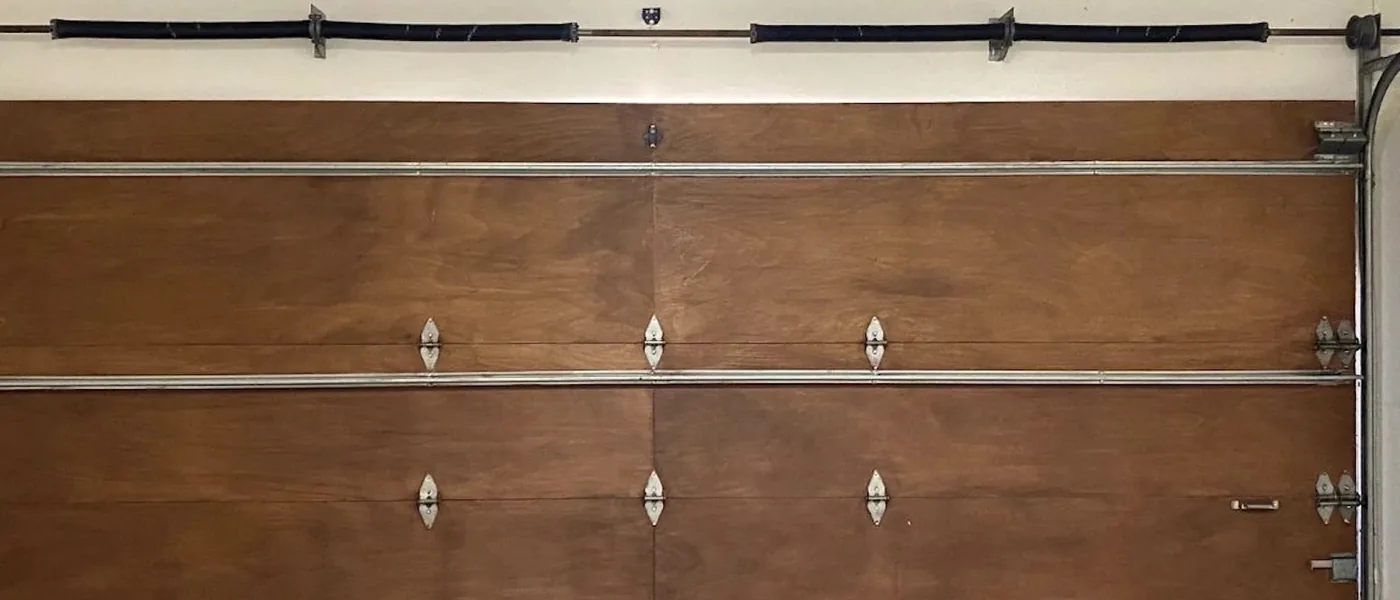
Most modern garage doors are sectional. They are built from horizontal panels, usually four or five, joined by hinges so the door can bend around the curve of the track.
Because each section is its own piece, a dented or cracked section can be swapped out while the rest of the door stays in place.
Older one-piece doors are different. A tilt-up door swings out and up as a single slab. There is no separate panel to replace, so serious damage usually means repairing the slab or replacing the whole door.
This guide walks through the questions that decide it: what type of door you have, whether a matching panel exists, how the color will look, and when the money is better spent on a new door. The short version is that one panel is often possible, but it is not always the smartest choice. Plenty of homeowners are surprised by how often the answer is yes, and just as surprised by how often a small detail gets in the way.
Can you replace one garage door panel and have it match?
Panels are not universal. Each one is made for a specific manufacturer and model.
Several details have to line up for a new section to fit and work properly.
- Height and width of the section
- Thickness and whether it is insulated
- The joint profile where panels meet
- The pattern, such as raised panel, flush or carriage style
- Window cut-outs, if the section has glass
- Weight, since the springs are sized for the whole door
The door's model information is often on a label on the inside of a panel or near the bottom. A technician uses it to track down the right part.
If a panel weighs more than the one it replaces, the spring balance can change. That is one more reason the job is usually done by someone who can check the springs afterward.
It also helps to know what your door is made of. Steel, aluminum, wood, composite and fiberglass doors all use sectional designs, but the panels are not interchangeable between materials or brands. A steel section from one maker will not slot into a door from another, even if the size looks close.
Will the color match?
Even when the right panel exists, color can be a surprise. Sun and weather fade a door over the years. A brand new section in the same factory color can look brighter than the rest.
Some homeowners accept a slight difference, especially on the bottom panel where it is less noticeable. Others choose to paint the entire door after the new section goes in, so everything reads as one color again.
Wood doors have their own issues. Stain and wood grain rarely match perfectly, so painting or restaining is often part of the plan.
When replacing the whole door makes more sense
Single-panel replacement is not always the best value. These situations often point toward a full door.
- The model has been discontinued and no matching panel is available
- Damage runs across two or three sections or more
- The tracks, springs and hardware are worn out as well
- The door is old, uninsulated or no longer what you want
- The cost of a panel plus shipping comes close to a new door
A door that took a heavy hit can also have hidden damage, such as a bent track or a stressed hinge. It is worth having the whole system looked at, not just the dent.
Repair, replace a panel, or replace the door?
Not every damaged panel needs replacing. A small dent in a steel panel can sometimes be eased out. A shallow crack in a wood section may be filled and painted. Cosmetic damage that does not affect how the door moves can often wait.
Replacement makes more sense when the panel is creased, torn or bent at the edges. Damage near a hinge or along the joint between sections is the most serious. It can stop the door from bending smoothly over the curve of the track.
Here is a simple way to think about it.
- Small dent, door runs smoothly: repair or leave it
- Creased or cracked section, matching panel available: replace that panel
- Several damaged sections or no matching panel: consider a new door
Insulated doors add one more question. A dent in an insulated steel panel may have crushed the foam inside, so the section can lose some of its insulating value even if it looks fine from a distance.
Bottom sections take the most damage, from bumpers, bikes and snow. They also hold the bottom seal and the cable brackets. A technician will check those parts too when a bottom panel is replaced.
Getting a damaged panel looked at
In the meantime, avoid running a door with a badly bent or cracked section. A damaged panel can catch on the track, strain the opener or pop rollers out of place.
Do not try to remove a section yourself. The bottom section is attached to the lift cables, which are under spring tension, and the other sections carry the door's weight.
Johnny Garage Door Service offers garage door panel replacement as well as full door replacement, and is open 24/7. Our work carries a 90-day parts and labor warranty, so you can get an honest look at whether one panel or a new door is the better choice.